🎧 Audio available in Polish only
This article is currently available in audio format in Polish only. English version coming soon.
Before the body can repair damaged DNA, before mitochondria can produce the energy needed to make it through another day — NAD+ is required. This coenzyme is present in every cell, takes part in hundreds of biochemical reactions, and has drawn the attention of aging researchers for decades.
The problem is that NAD+ levels decline with age. By around forty, we have roughly half the NAD+ we did in our twenties. That is where NMN comes in.
What is NMN?
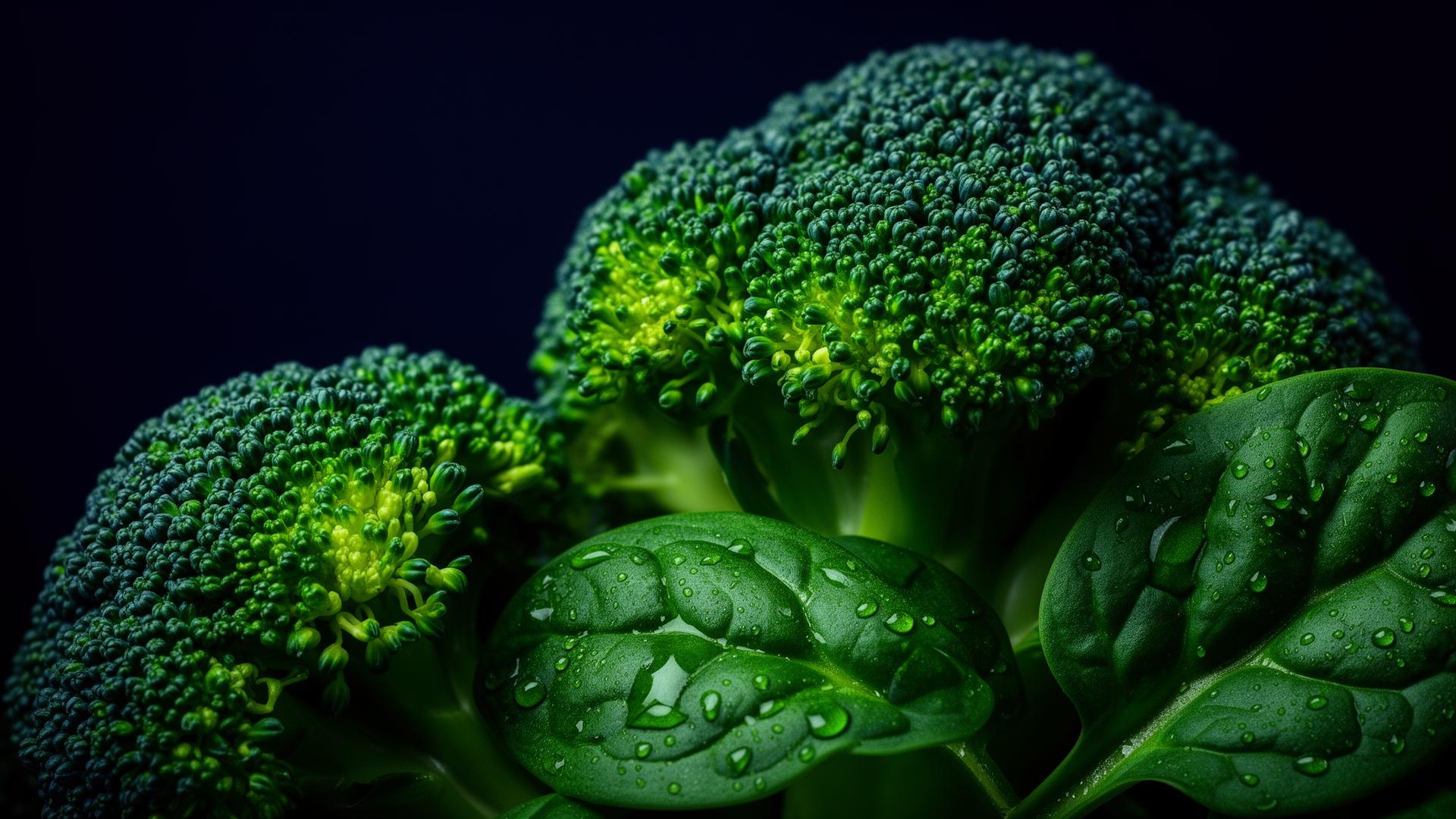
NMN, or nicotinamide mononucleotide, is a natural molecule present in the body and in trace amounts in foods such as broccoli, avocado, and edamame. It is a direct precursor of NAD+, which means the body converts it into NAD+ fairly efficiently, without a long chain of intermediate reactions.
NMN supplementation is, in practice, a way to top up a substance whose natural production decreases with age.
What does the research say?
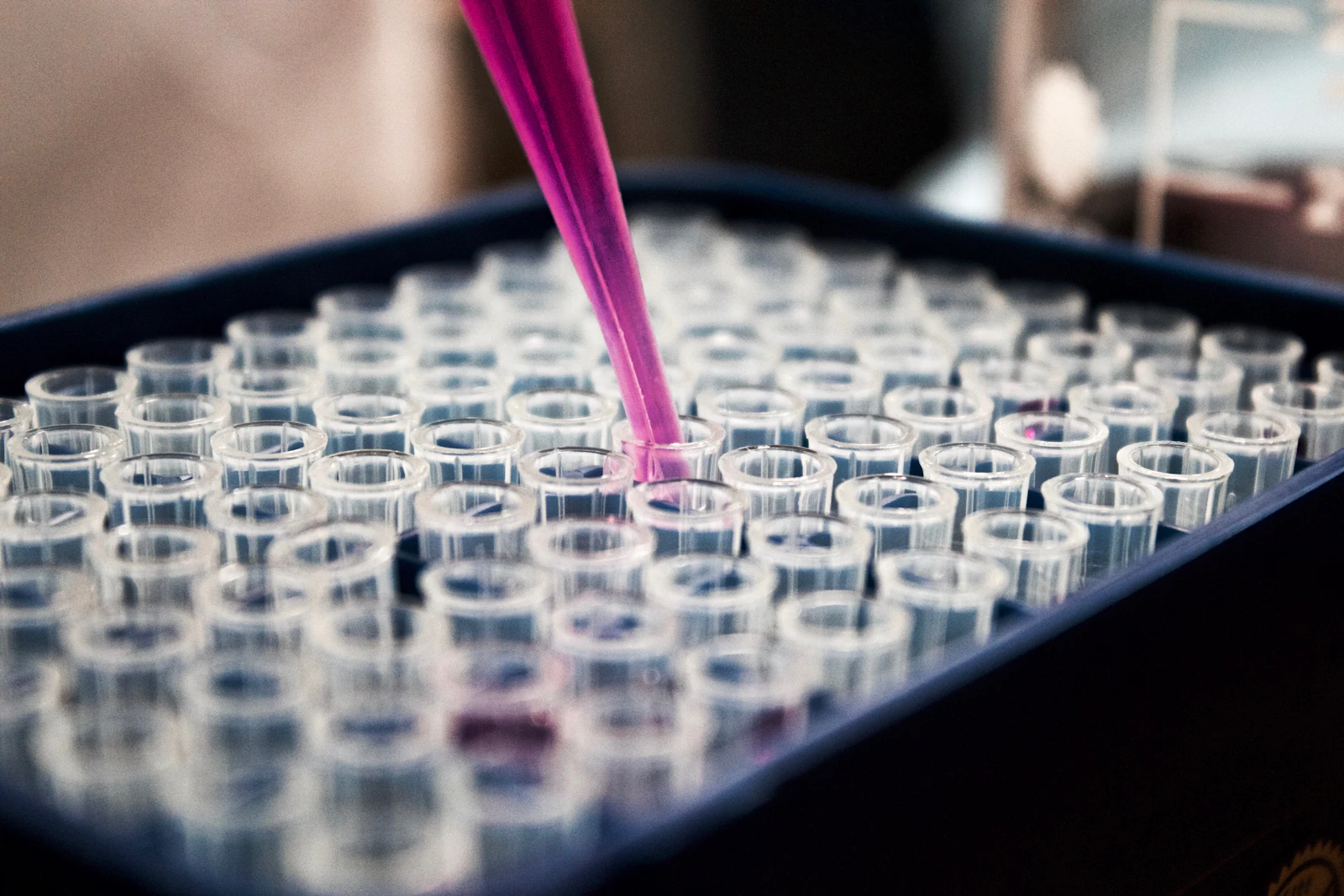
Human studies are still ongoing, but several published clinical trials offer promising data. A 2020 Japanese study showed that NMN is safely absorbed by the body and effectively raises NAD+ levels in the blood. Other studies suggest improvements in physical performance, walking speed in older adults, and insulin sensitivity.
Important caveat: NMN is not a medicine and does not treat any disease. It is a substance that supports cellular processes whose efficiency changes with age.
Why does the liposomal form matter?
Standard NMN in capsules has to travel through the digestive tract before reaching the bloodstream — some of the substance breaks down along the way. The liposomal form wraps the NMN molecule in a fatty layer similar to a cell membrane, significantly improving absorption and protecting the active ingredient from breakdown in the stomach.
Who is it for?
NMN is most often considered by people aged 35–40 and above who want to support energy levels, recovery, and overall vitality. It does not replace a healthy lifestyle — sleep, movement, diet — but it can be a valuable complement to it.